Compare Local Contractors for Antique Furniture Refinishing Projects
Compare local contractors for antique furniture refinishing to define project scope, verify experience, and set clear expectations for a successful restoration.
Contractors specializing in antique furniture refinishing typically handle a range of services aimed at restoring and enhancing the original beauty of vintage pieces. This work often includes stripping old finishes, repairing or replacing damaged wood, and applying new finishes that preserve the piece’s historical character. Many service providers also offer custom staining or finishing techniques to match specific eras or styles, ensuring the furniture maintains its authentic appearance. Understanding the scope of work involved helps property owners identify what aspects are covered and set clear expectations for the refinishing process.
Defining the scope of antique furniture refinishing projects is essential for ensuring that both property owners and contractors are aligned on the work to be performed. Clearly outlining tasks such as surface preparation, repair methods, and finishing details can prevent misunderstandings and help establish a realistic framework for the project. When scope details are documented in writing, it becomes easier to compare different service providers, verify that they can meet specific needs, and avoid potential disputes. A well-defined scope also assists property owners in assessing the experience and specialization of local contractors in handling delicate or historically significant furniture.
Comparing local contractors for antique furniture refinishing involves evaluating their experience, reputation, and the services they offer. Property owners should inquire about the types of projects a contractor has completed, especially those involving similar styles or periods of furniture. Reviewing credentials such as past work samples or references can provide insight into a contractor’s expertise and attention to detail. It’s also important to verify that the scope of work and expectations are clearly communicated and documented before work begins. By thoroughly comparing these factors, property owners can choose service providers equipped to handle the unique requirements of antique furniture refinishing with confidence.
Compare local contractors by outlining project priorities, verifying experience, and documenting scope and expectations clearly.
- Experience Verification - Confirm that contractors have relevant experience with antique furniture refinishing projects.
- Scope Definition - Clearly outline the specific work to be performed to ensure mutual understanding.
- Written Agreements - Obtain detailed written descriptions of the work, materials, and expectations before starting.
- Comparison of Contractors - Evaluate multiple service providers to find those with proven expertise in antique furniture restoration.
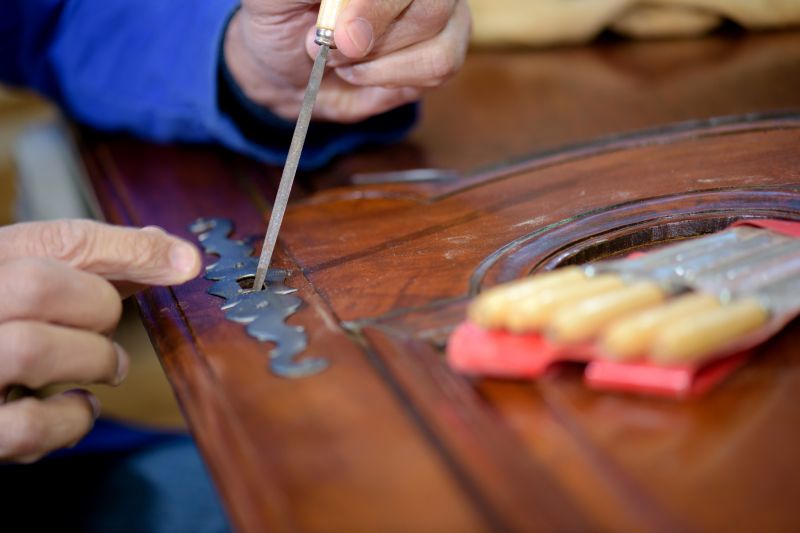
Clearly describe your antique furniture refinishing project to effectively compare local contractors, verify experience, and set expectations in writing.
- Verify experience with antique furniture refinishing to ensure familiarity with traditional techniques and finishes. - Assess whether contractors can provide references or examples of similar projects completed successfully.
- Define the scope of work clearly, including sanding, repairs, staining, and sealing, to set proper expectations. - Ensure service providers understand the specific furniture pieces and finishes involved in the project.
- Check for detailed written estimates that outline the work to be performed and the materials to be used. - Comparing scope and transparency helps in evaluating the thoroughness of different contractors.
- Discuss the desired finish and preservation methods to confirm the contractor’s approach aligns with antique restoration standards. - Clarify whether the contractor uses techniques suitable for antique furniture to avoid damage.
- Inquire about the preparation process and how they handle delicate or fragile areas during refinishing. - Proper handling of antique details is essential for maintaining the furniture’s value and integrity.
- Ensure the contractor provides a written agreement that specifies the project scope, materials, and any warranties or guarantees. - Having everything documented helps prevent misunderstandings and ensures accountability.
Compare local contractors’ experience and clarify project scope to ensure your antique furniture refinishing meets expectations.
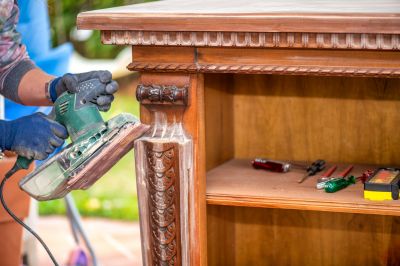

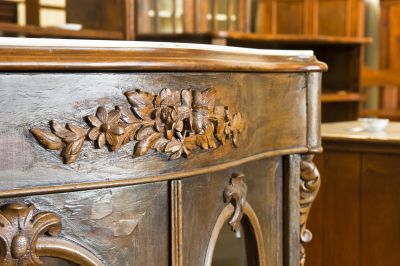

Use clear scope definitions and consistent comparison criteria to evaluate local contractors' experience and service quality.
- Experience and Expertise - Verify the contractor’s background in antique furniture refinishing to ensure relevant experience.
- Scope of Work - Clearly define the specific refinishing tasks and finishes required for the furniture piece.
- Materials and Techniques - Discuss the types of finishes, stains, and restoration methods the service provider plans to use.
- Written Agreement - Ensure all project details, including scope and expectations, are documented in a formal agreement.
- Communication and Clarifications - Establish how the contractor will handle questions and updates throughout the project.
When comparing contractors for antique furniture refinishing, it’s important to evaluate their experience with similar projects. Homeowners should look for service providers who have a proven track record working with antique pieces, understanding the unique techniques and materials required to preserve the furniture’s integrity and value. Asking about previous projects or requesting references can help gauge whether a contractor has the specialized knowledge necessary for delicate or complex refinishing tasks. An experienced contractor will be familiar with the nuances of antique furniture and able to handle the refinishing process with care and expertise.
Clear communication about the scope of work is essential when choosing a refinishing contractor. Homeowners should seek service providers who can provide a detailed, written description of the work to be performed, including surface preparation, finishing techniques, and any restorative procedures. Having a well-defined scope helps set expectations and ensures that both parties are aligned on the project’s parameters. It’s beneficial to ask for clarification on what is included and what might be considered additional work, so there are no misunderstandings once the project begins.
Verification of a contractor’s basic credentials and reputation forms a crucial part of the selection process. Homeowners should verify that the service provider has a solid local presence and a history of completing similar projects successfully. Checking references or reviews can provide insights into their reliability and quality of work. Additionally, confirming that the contractor maintains proper insurance coverage and adheres to industry standards can help protect against unforeseen issues. Gathering this information helps ensure that the chosen professional is competent and trustworthy to handle valuable antique furniture.
Evaluating options without focusing on prices involves assessing the quality of the proposals and the professionalism of each service provider. Homeowners should compare the details of each contractor’s scope of work, experience, and communication clarity. It’s also helpful to consider how well the contractor understands the specific needs of antique furniture and whether they can articulate their approach clearly. By focusing on the depth of experience, transparency in scope, and reputation, homeowners can make informed decisions about which local contractors are best suited to meet their refinishing needs.
Ask contractors to provide written scope details to ensure clear expectations and consistent project understanding.
- Experience with Antique Furniture - What level of experience do the service providers have with refinishing antique furniture?
- Scope of Work - How do the contractors define and document the specific refinishing tasks included in the project?
- Materials and Techniques - What materials and finishing techniques do the local contractors typically use for antique furniture?
- Project Expectations - How do the service providers clarify the expected outcomes and limitations of the refinishing process?
- Communication and Clarifications - What methods do contractors use to ensure scope and expectations are clearly understood and agreed upon in writing?
What should I consider when choosing a contractor for antique furniture refinishing? It's important to evaluate their experience with similar projects, review their portfolio or references, and ensure they understand the specific restoration needs of antique pieces.
How can I compare different contractors for antique furniture refinishing? Comparing contractors involves reviewing their scope of work, verifying their expertise with antique finishes, and checking how clearly they outline project expectations in writing.
Why is it helpful to define the scope of work before hiring a contractor? Clearly defining the scope helps ensure both parties agree on the work to be done, prevents misunderstandings, and sets realistic expectations for the refinishing process.
What questions should I ask a contractor about their experience with antique furniture? Inquire about their previous projects, specific techniques used for antique finishes, and whether they have worked with similar types of furniture or woodwork.
How important is it to get the scope and expectations in writing? Having the scope and expectations documented helps protect the interests of both parties, provides clarity, and serves as a reference throughout the project.
What role does verifying a contractor’s experience play in choosing someone for antique furniture refinishing? Verifying experience ensures the contractor understands the nuances of antique restoration, which can impact the quality and authenticity of the finished piece.
This page has highlighted key steps to help compare contractors for antique furniture refinishing, including defining the scope of work, verifying experience, and setting clear expectations in writing. Understanding these aspects can assist in making informed decisions when selecting service providers who meet specific project needs. Using the quote form allows for easy comparison of options among local contractors, making it simpler to identify suitable service providers for your antique furniture refinishing project.
By utilizing the quote form, visitors can efficiently explore and compare local contractors who specialize in antique furniture refinishing. This approach supports finding experienced service providers capable of handling unique restoration needs while ensuring all project details are clearly communicated and documented. Taking this step can help clarify options and facilitate connections with trusted local contractors ready to assist with refinishing projects.